
Data Pipeline
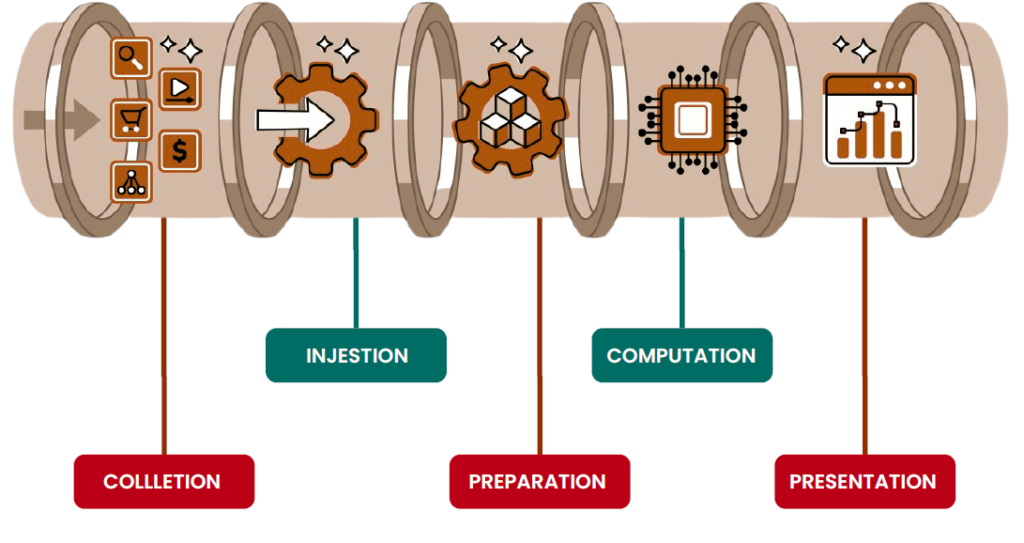
Data pipeline: Mapping data flow from collection to analysis for organizational insights. Source, process, deliver for analytics efficiency.
Database vs Schema vs Table
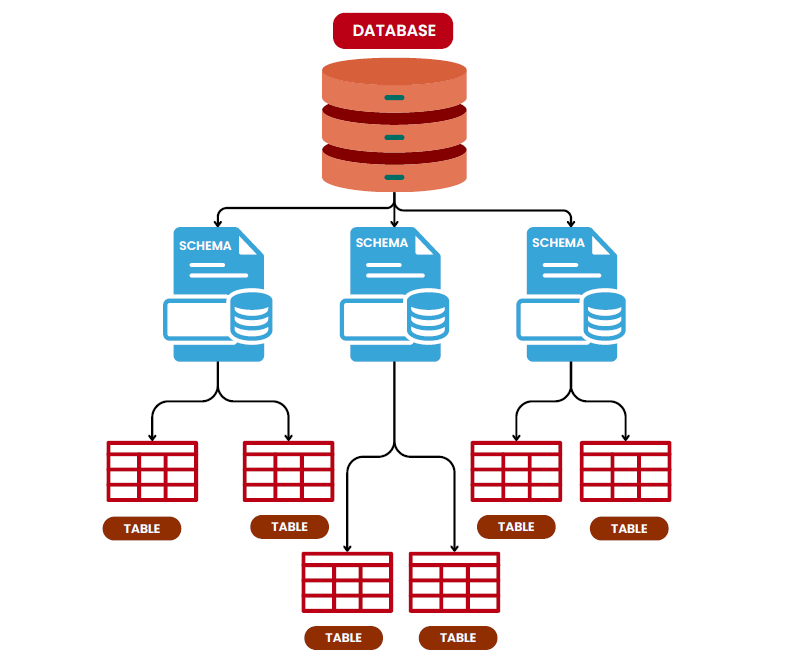
Database: Organized collection of related data, like a file cabinet for storing information.
Schema: Blueprint defining structure and organization within a database.
Table: Grid-like structure within a schema, where data is stored in rows and columns.
ETL And ELT
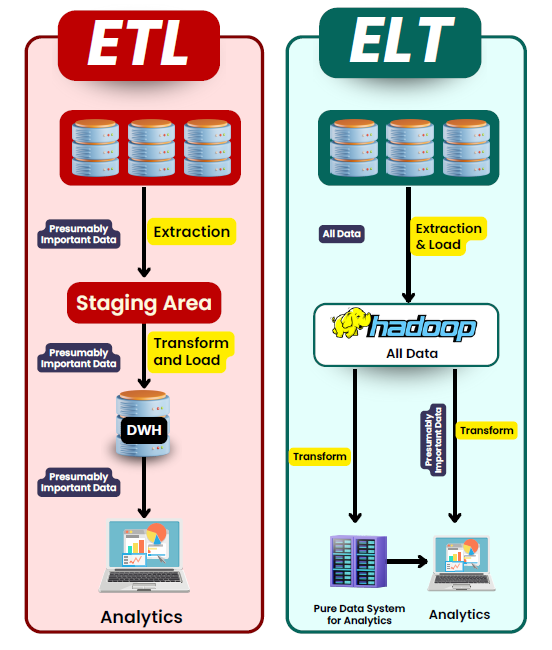
ETL (Extract, Transform, Load): Traditional approach where data is extracted from various sources, transformed to fit into the target schema, and then loaded into the destination.
ELT (Extract, Load, Transform): Newer approach where data is first loaded into the target system, then transformed within the system itself, often leveraging the power of modern data warehouses.
Data Lake vs Data warehouse vs Data Mart
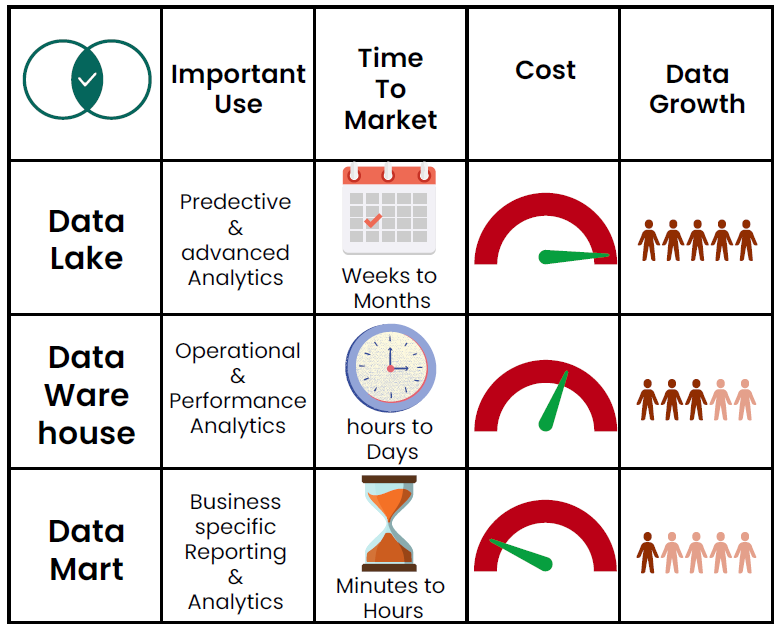
Data Lake: Unstructured repository for diverse data types, preserving raw format.
Data Warehouse: Centralized, structured storage optimized for analytics and reporting.
Data Mart: Tailored subsets of data warehouse, focused on specific business areas.
Batch vs Stream
Processing
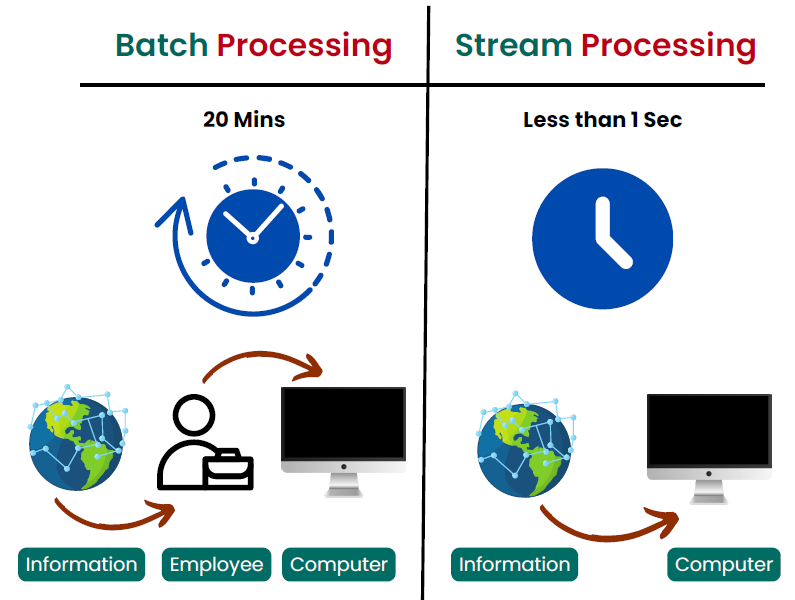
Batch Processing: Handling large volumes of data at scheduled intervals, ideal for complex computations
and historical analysis.
Stream Processing: Real-time data processing, analyzing data as it arrives, suitable for immediate insights and actions.
Data Quality
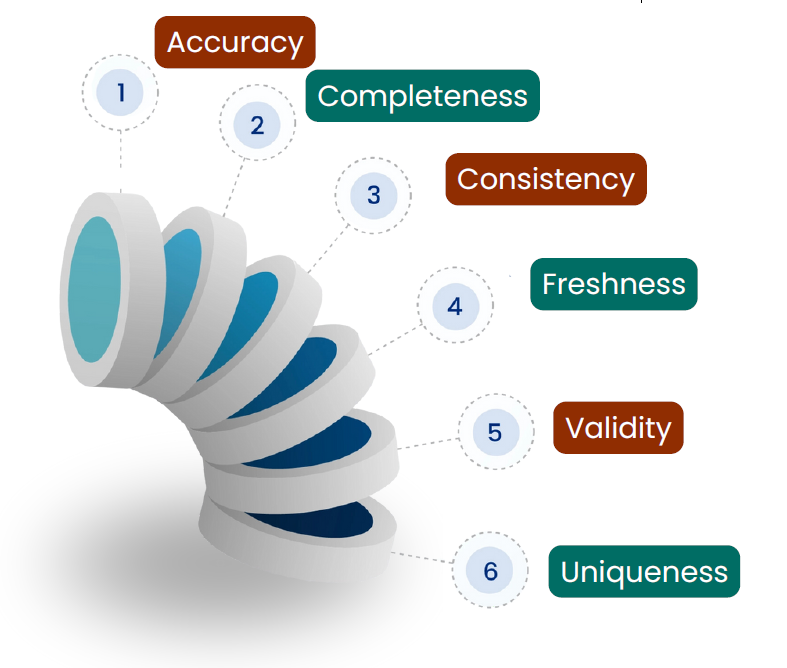
Data quality ensures accuracy, completeness, and reliability of data for informed decision-making. It involves maintaining consistency, relevance, and timeliness within datasets through governance, management, and cleansing processes.
Data Modelling
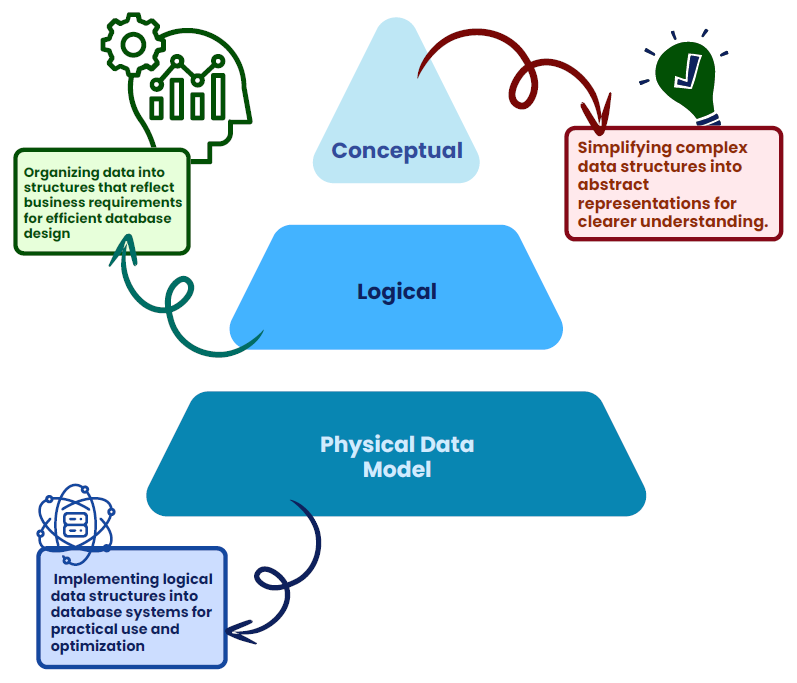
Data modeling: Designing the structure and relationships of data to facilitate efficient storage, retrieval, and analysis, typically represented through diagrams or schemas.
Data Orchestration
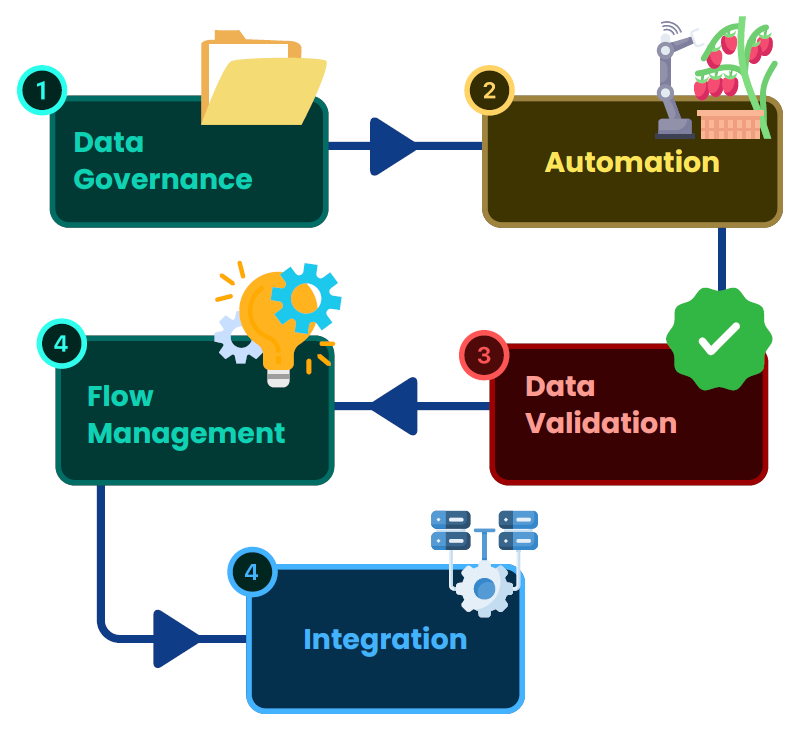
Data Orchestration: Coordinating and automating the flow of data across systems, processes, and environments to ensure seamless integration, transformation, and delivery.
Data Lineage
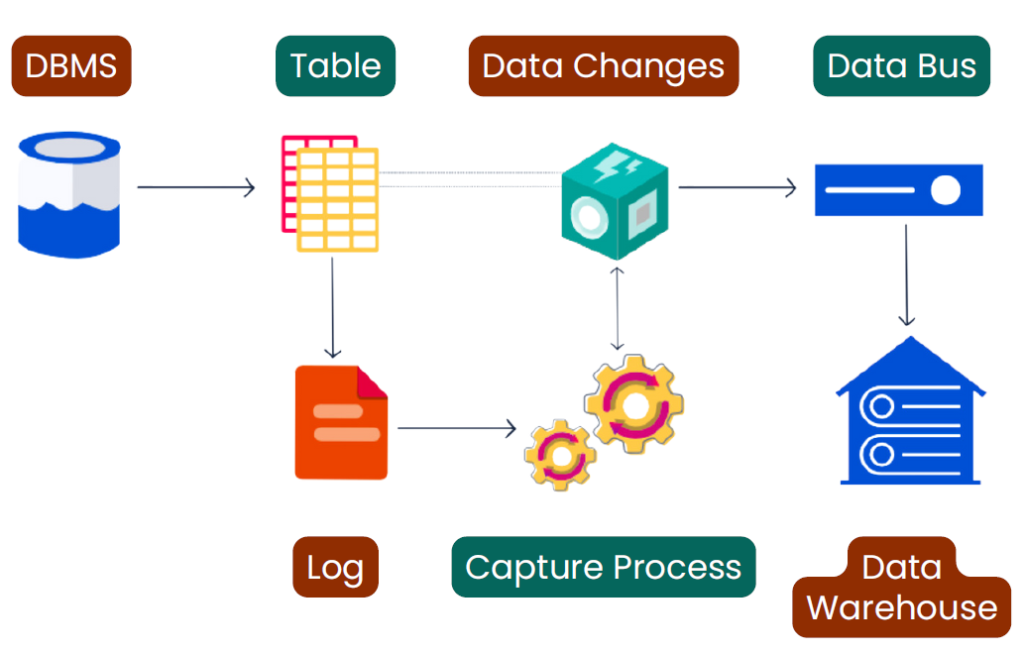
Data lineage traces the path of data from its origin to its destination, including any transformations along the way. It provides transparency and insight into data’s journey, helping ensure accuracy, compliance and trust in data processes.
Git
Git is a Version control system for tracking changes in code, facilitating collaboration and project management. Utilizes branches and commits to manage code history and team workflows.